
Ask a gamer, a tennis fan, and a teenager what “smash” means and you will get three different answers — but in texting slang, one meaning rules them all. If someone texts that they want to “smash,” they are almost certainly not talking about breaking anything.
In slang, “smash” is a casual, crude-edged verb for hooking up with someone — having casual sex. It is blunt, playful in some circles, and objectifying in others, which is why knowing its exact tone matters.
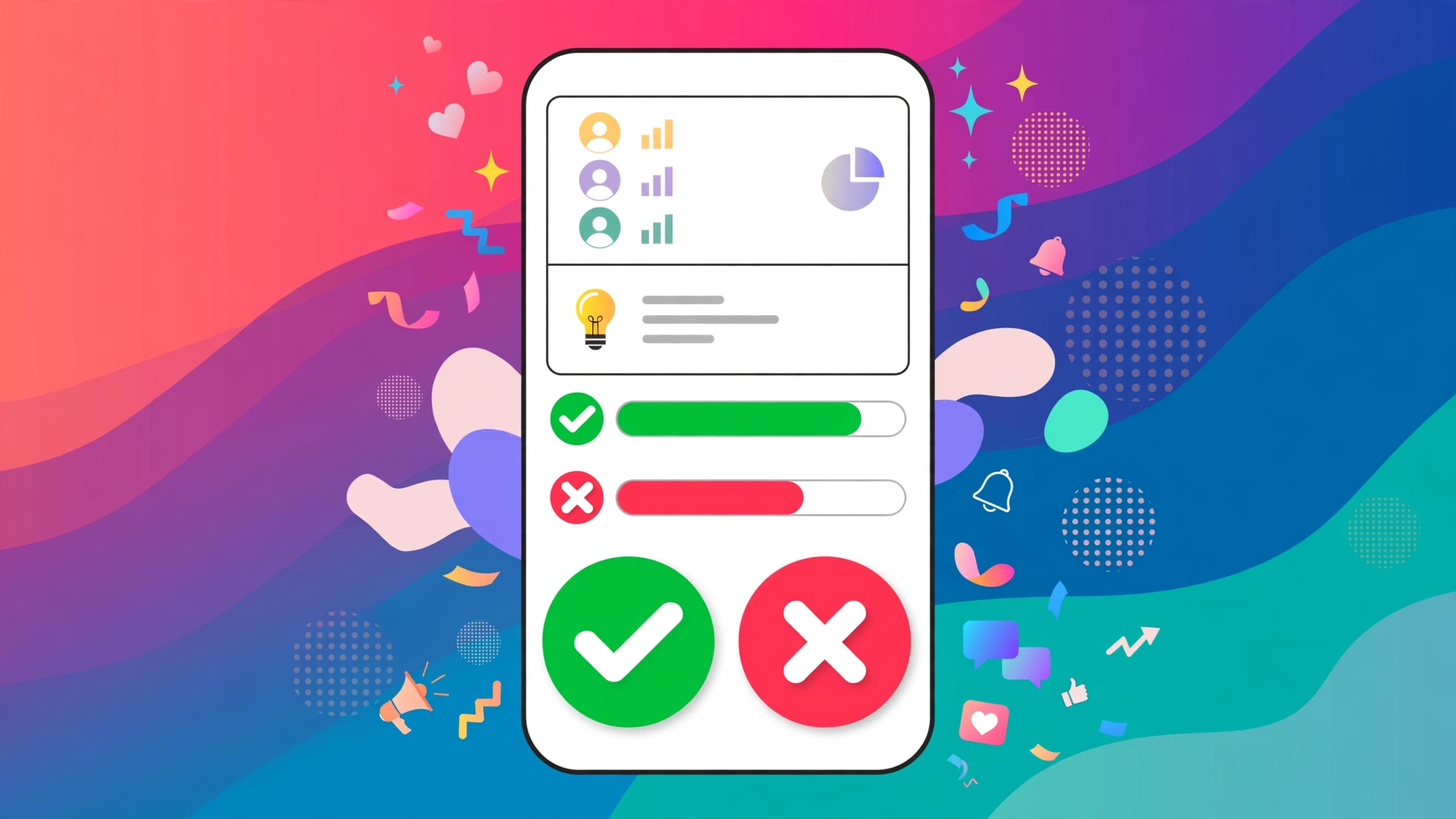
The word also powers one of social media’s longest-running games: “smash or pass,” where people judge photos with a thumbs-up “smash” or a “pass.”
In this article, you will learn what smash means in slang, where the usage came from, how it works on WhatsApp, Instagram, and TikTok, its legitimate technical meanings in sports and science, and how to handle it when it shows up in your messages.
1. Meaning and Definition of Smash in Slang
The core slang meaning
In texting and casual speech, “smash” means to hook up with someone sexually, usually casually and without a relationship implied. “They smashed” reports that two people hooked up; “would you smash?” asks if you find someone attractive enough to. The word is deliberately blunt — part of its humor and part of its rudeness.
The “smash or pass” meaning
The second huge usage is the game “smash or pass”: someone is shown a photo (often of a celebrity or fictional character) and must answer “smash” (attracted) or “pass” (not interested). Online, the game version is everywhere and is usually how younger users meet the word first — as a joking rating, not a real proposition.
Smaller slang senses
Smash also appears in the phrase “smash hit” (a huge success) and gym/pub talk like “smash it” (do something brilliantly). Those are older, innocent senses of the word that slang still uses — context separates them instantly from the hookup meaning.
2. Background and Origin of Smash
An old English word
“Smash” has meant breaking something violently for centuries, and English kept building phrases on that energy: a “smash hit” in entertainment (early 1900s), a tennis “smash” for an overhead shot, and “smashing” as British praise for excellent. The word always carried force and impact — which is exactly the energy slang borrowed.
The hookup sense
The sexual slang sense spread through American hip-hop and youth slang in the 2000s, built on the word’s bluntness: it treats attraction with zero romance or subtlety, which made it funny, shocking, and quotable in equal measure. Songs and comedy spread it far beyond its original circles.
Smash or pass goes viral
The game exploded on YouTube and TikTok in the 2010s, with creators rating celebrities, cartoon characters, and entire franchises. “Smash or pass” videos became a genre of their own, cementing the word in everyday internet vocabulary — often detached from any real-world intent at all.
3. Usage of Smash in Different Contexts
Gossip and storytelling
Friends use smash to report or speculate about hookups: “did they smash?” is standard gossip shorthand. It is almost never used in polite or professional company — it belongs to close-friend talk where bluntness is the humor.
Direct messages and flirting
Sent directly to someone, “wanna smash” is an explicit proposition — about as subtle as a brick. Between established partners or joking friends it can be banter; sent to a near-stranger it is usually received as crude or harassing. The relationship decides everything.
The game format
In “smash or pass” videos, polls, and party games, the word is hypothetical by design: nobody involved expects anything to happen. The joke frame makes the word lighter here than anywhere else — which is also why it confuses newcomers who only know the direct meaning.
Non-slang everyday use
Every day, smash also just means what it always meant: breaking things, crushing ingredients (“smashed avocado”), winning big (“smashed the exam” in British usage means aced it), and sports shots. Most real-life uses of the word have nothing to do with the slang sense at all.

4. What Does Smash Mean on WhatsApp, Instagram, and TikTok?
Smash on WhatsApp
On WhatsApp, smash appears in close-friend chats: gossip, jokes, and “smash or pass” screenshots sent for laughs. Because WhatsApp is private and personal, the direct meaning is riskier here — a blunt message to the wrong person is a real message, not content. Friend groups treat it as banter; outside that circle, keep it out.
Smash on Instagram
Instagram hosts the game format constantly: story polls, Q&A stickers, and reel series built on “smash or pass.” Comments also use smash as raw attraction shorthand under celebrity photos. The public setting pushes usage toward the game and joke versions rather than real propositions.
Smash on TikTok
TikTok industrialized “smash or pass”: creators rate everything from movie characters to fast-food menus (where the word swings back to “would eat”). Duets and ranking videos keep the format endless. TikTok is also where the word bleeds into pure meme usage — “smash” as an all-purpose enthusiastic yes.
5. Does Smash Have a Meaning in Physics, Medicine, or Aircraft Terminology?
The honest answer for the slang sense
The hookup slang has no technical meaning anywhere — no field uses “smash” that way. But unlike many slang words, smash genuinely does have established technical lives, and being honest means listing them properly.
Real technical and professional uses
In sports, a smash is a formal term: the powerful overhead shot in tennis, badminton, and table tennis. In physics and engineering, smashing particles is standard laboratory language (particle accelerators are sometimes nicknamed “atom smashers”), and crash/impact testing talks about smash resistance informally. In aviation, “smash” is not a technical term, though pilots historically used “smash” as slang for full throttle power in older military usage. In medicine, there is no “smash” procedure or condition — surgical and clinical language does not use the slang word, though “crush injuries” cover the territory the plain verb describes.
The takeaway
So: sports — real term; physics — real informal laboratory usage; aviation — old slang, not terminology; medicine — no. And the texting meaning belongs to none of them. Context always reveals which smash you are looking at.
6. Common Misconceptions About Smash
“Smash always means the hookup sense”
Most tokens of this word in daily life are innocent: recipes, sports, exams, and hit songs. Assuming the slang sense everywhere will produce some very strange readings of tennis commentary. The slang meaning dominates texting and memes — not the whole language.
“Smash or pass is a serious offer”
The game is hypothetical entertainment, usually about celebrities or fictional characters. Answering “smash” in a game is a joke rating of attractiveness, not a plan or a promise — treating it as one is the classic beginner’s misread.
“It is a compliment to send to anyone”
Because it appears in flirty contexts, some people assume a direct “smash” message flatters. To most recipients, an uninvited explicit proposition reads as crude or harassing, not flattering. The word’s fun lives inside jokes and mutual banter — it does not transfer to strangers.
7. Similar Terms and Alternatives to Smash
The neighborhood of the word
Nearby slang includes “hook up” (the plainer equivalent), “hit” (used similarly in “would hit”), “tap,” and game relatives like “pass,” “swipe right,” and “DTE.” The table compares them honestly, including how blunt each one is.
| Term | Full form or meaning | Typical use |
|---|---|---|
| Smash | Hook up casually (slang); also the “smash or pass” verdict | Gossip, jokes, and the rating game |
| Hook up | Casual romantic/physical encounter | The plain, widely understood equivalent |
| Pass | Not interested | The other half of “smash or pass” |
| Swipe right | Approve/like on a dating app | Dating-app version of a “smash” vote |
| Hit | Would pursue (as in “would hit”) | Older slang for attraction, similarly blunt |
| Smash hit | A huge commercial success | Music, film, and product talk — innocent sense |
Choosing less crude alternatives
If you mean attraction, “I’m into them” or “they’re my type” says it without the objectifying edge. If you mean the game, the frame is already understood. And if you mean the tennis shot — carry on, that one was never slang at all.
8. How to Respond When Someone Texts You Smash
In the game context
If it is clearly “smash or pass” content, play or pass lightly: laugh, give your verdict, send the next photo. The correct energy is unserious — nobody in the game is proposing anything.
If a friend is gossiping
Match the register: friends reporting “they smashed” expect reaction, not a lecture. Keep it brief, do not forward private details, and remember that group-chat gossip has a way of escaping the group chat.
If it was sent to you directly and you are not interested
You owe nobody enthusiasm. A flat “no,” a joke deflection (“pass 😌”), or simply not replying are all complete answers — and if messages continue after a no, blocking is the right tool. Blunt words do not create obligations.
9. Smash vs Similar Words: Key Differences
Smash vs hook up
They mean the same event, but the register differs: “hook up” is the neutral report; “smash” is the blunt, joke-forward version with an objectifying flavor. Choose based on audience — and when in doubt, hook up is the safer word.
Smash vs pass
The two halves of the game: smash votes attraction, pass declines. Together they form the entire vocabulary of the format — which is why “smash” alone in a comment usually means the game, not gossip.
Smash (slang) vs smash (sport)
The tennis smash is a defined technique taught by coaches; the slang smash is a defined attitude used by friends. One appears in rulebooks, the other in group chats, and confusing them only happens on paper — never in real conversation.
10. Relevance of Smash in Online Conversations and Dating Apps
Smash in online culture
Online, smash mostly lives inside the game and meme economy, where it functions as a one-word hot-or-not vote. Its staying power comes from that format: endlessly repeatable, instantly understood, and funny because of its bluntness.
Smash on dating apps
Dating apps are where the slang sense meets reality, and the lesson is simple: the game version charms, the direct version mostly does not. A witty “smash or pass” exchange between matched, joking users is banter; opening a conversation with a raw proposition is the fastest route to being unmatched or reported. Reading which register you are in — and respecting a “pass” instantly — is the whole skill.
Consent is the context
Every light use of this word works because everyone involved is joking or consenting. The moment that frame breaks, the word stops being funny. That is the real definition underneath the slang: it is play language, and play requires willing players.
11. Conclusion
In slang, smash means hooking up casually — and, through “smash or pass,” it doubles as the internet’s favorite one-word verdict of attraction. The word also keeps its older, innocent lives as a sports technique, a laboratory verb, and half of “smash hit,” none of which have anything to do with the texting sense.
Read the frame before the word: game, gossip, joke, or genuine message. Inside the joke frame, smash is harmless fun; outside it, treat it with the bluntness it carries. Now you can tell exactly which smash you have been sent — and answer like it.
